
SYNOPSIS
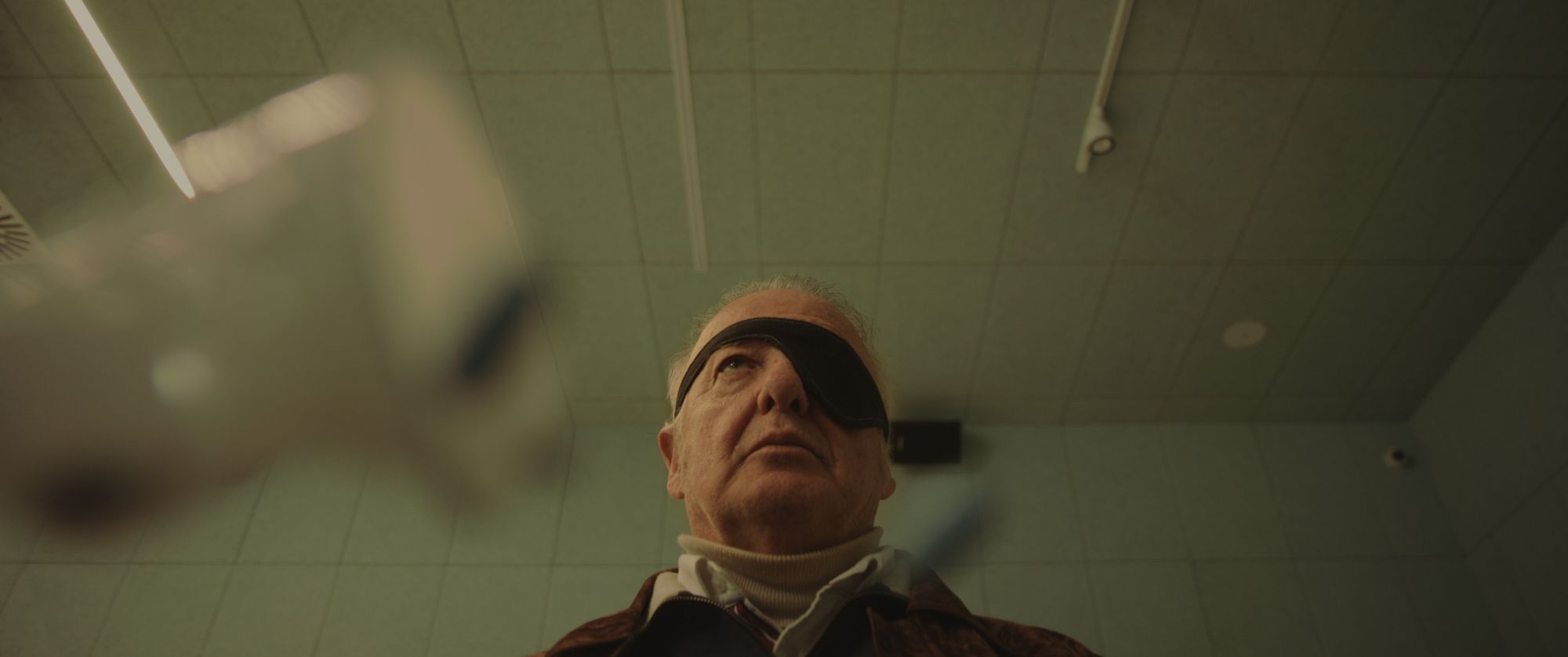
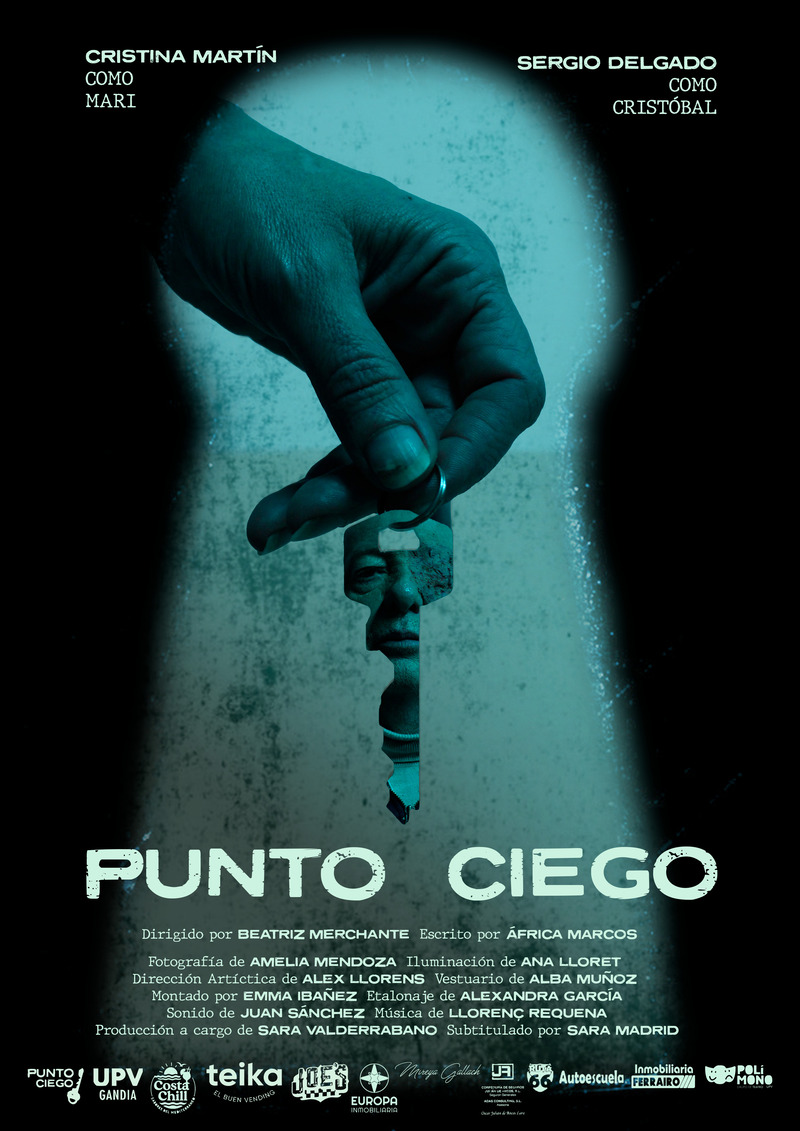
In a nursing home where routine and coldness prevail, Cristóbal endures the quiet abuse of a caretaker who despicably takes advantage of her power. When humiliations reach their limit, Cristóbal turns his apparent fragility into a strategy for revenge. Through a tense game of silence and darkness, the roles are reversed and fear changes sides.
CHARACTERS
Get to know the main characters of our short film.
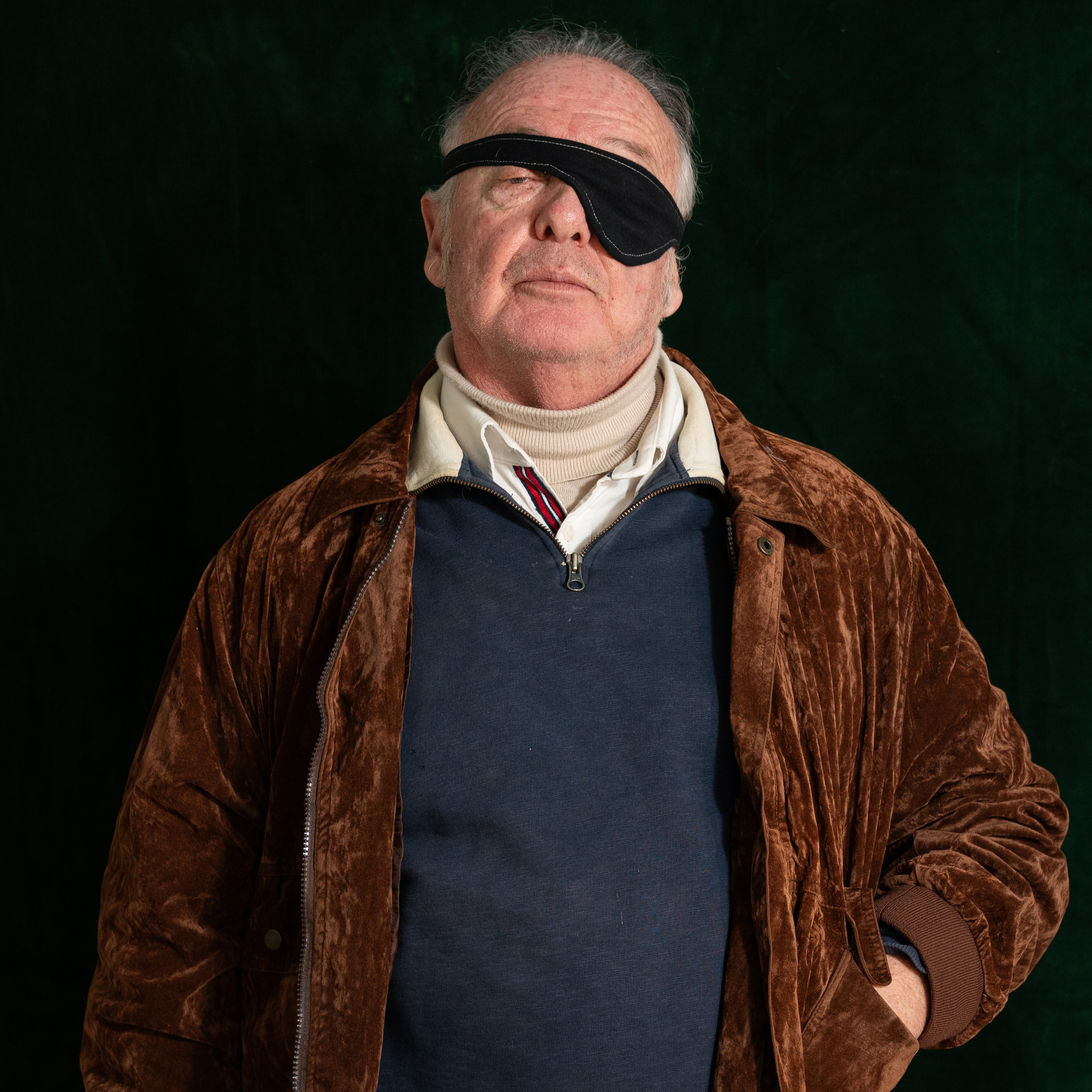
CRISTÓBAL
Performed by Sergio Delgado
Cristóbal is a quiet elderly man who is almost invisible within the nursing home. However, the patch over his eye sets him apart from the other residents from the very beginning. Beneath his calm and somewhat rough appearance lies an intact lucidity and enormous pent-up emotional exhaustion. Cristóbal observes, keeps quiet and waits. His silence is not resignation: it is resistance. He represents those elderly people who have been invalidated by the system, whose dignity is ignored, but who still maintain the ability to rebel.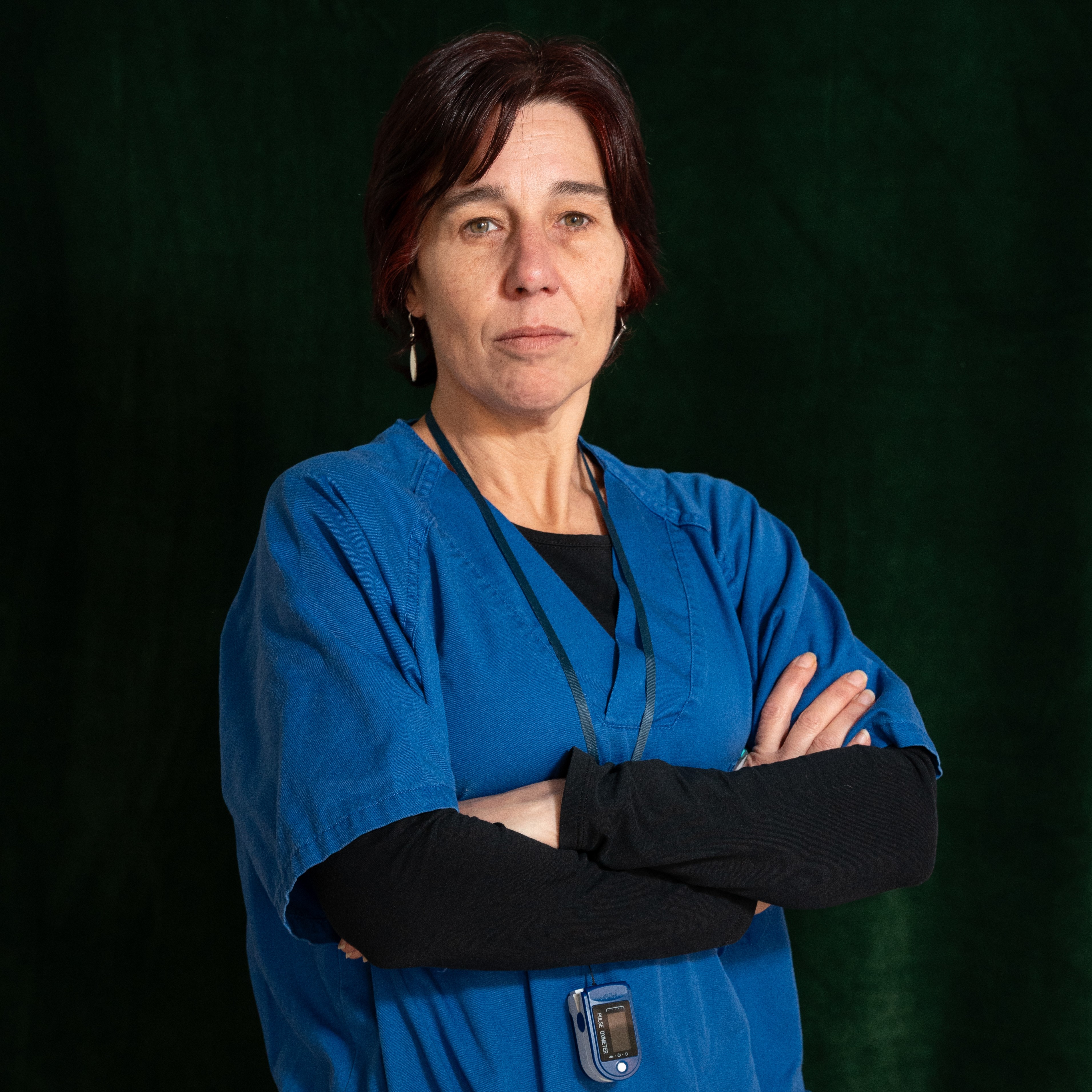
MARI
Performed by Cristina Martín
Mari is the caretaker who abuses her power on a daily basis at the nursing home. She’s not an exaggeration of a villain, but someone real: trapped in a routine, frustrated and enraged, who takes out her anger on those who depend on her. Her treatment differs depending on the person: she shows a superficial kindness that crumbles with Cristóbal, whom she sees as a nuisance and an enemy. Her authority is enforced through threats and intimidation, until she eventually loses control, turning from dominant to vulnerable and showing how abuse can be reversed.INTERESTING FACTS
Our scriptwriter tells us where the story comes from.